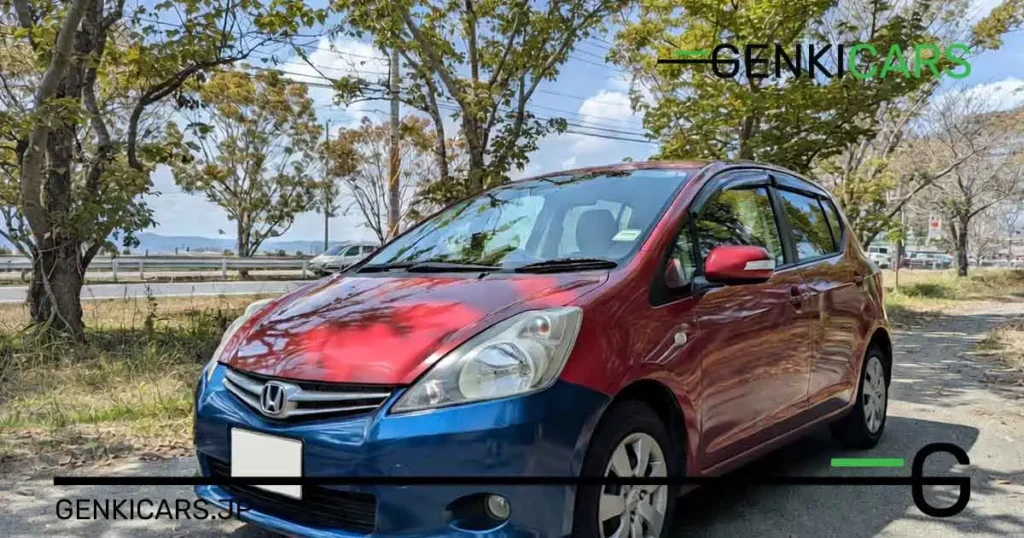
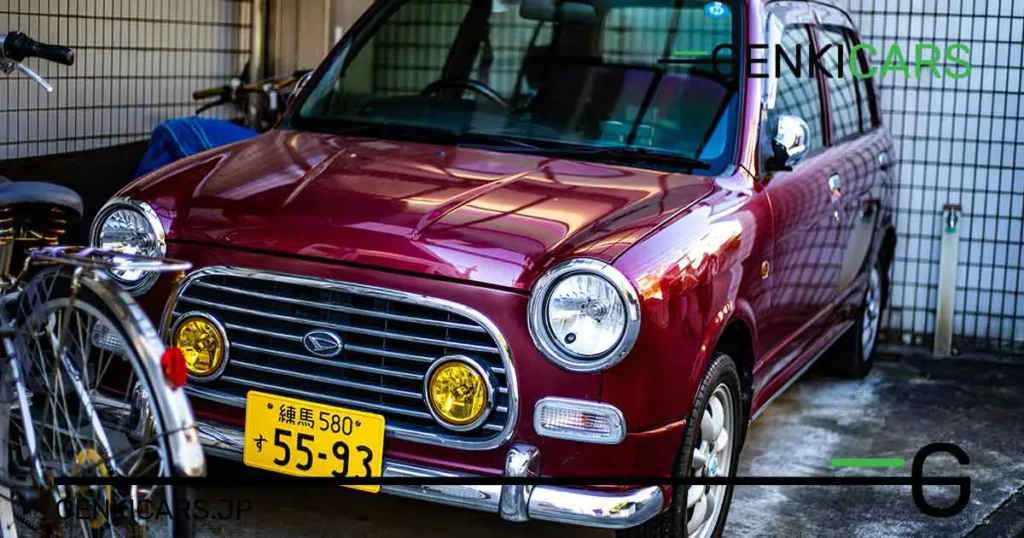
Buying a second hand car in Japan offers foreigners access to reliable, well-maintained vehicles at competitive prices. Japan’s strict inspection system, transparent auction process, and diverse vehicle selection make it one of the world’s best markets for used cars. This guide covers everything you need to know about purchasing, registering, and owning a 2nd hand car in Japan as a foreign resident.
Why Buy Second Hand Cars in Japan?
Japan’s used car market stands out globally for its quality and value. The country’s mandatory shaken (vehicle inspection) system requires owners to maintain vehicles to strict safety standards every two years. This creates a culture of meticulous maintenance that benefits second-hand buyers.
Japanese drivers typically cover fewer kilometers annually compared to other developed countries. According to a 2024 survey by Sony Assurance, car owners in Japan traveled approximately 6,972 kilometers per year on average, significantly lower than the 15,000-20,000 km common in the United States or Europe. This lower mileage extends vehicle lifespan and reduces wear on mechanical components.
The cultural preference for newer vehicles creates a steady supply of well-maintained used cars. Many Japanese owners replace vehicles after 5-7 years, even when the car remains in excellent condition. This cycle benefits foreign buyers seeking quality vehicles at depreciated prices.
Legal Requirements for Foreign Buyers
Foreign residents must meet specific requirements to purchase and register a vehicle in Japan. First, you need a valid residence card showing your registered address. Tourists and visitors on short-term visas cannot register vehicles.
A parking space certificate (shako shomeisho) proves you have legal parking within 2 km of your residence. Your landlord, building management, or parking lot operator provides this document. Without it, registration cannot proceed. Learn more about car parking requirements in Japan.
You must obtain a Japanese driver’s license or an International Driving Permit (IDP) with a valid foreign license. IDPs remain valid for one year from your entry date to Japan. After one year, you must convert your foreign license to a Japanese license or take the Japanese driving test. Foreign residents can accelerate the process through driving camps in Japan.
All vehicle registrations require a registered seal (inkan) and seal certificate (inkan shomeisho) from your local ward office. This differs from Western signature systems and represents official authorization in Japan.
Types of Second Hand Car Dealers
Used Car Lots
Traditional used car lots offer immediate vehicle inspection and test drives. These dealers maintain physical inventory, allowing you to examine vehicles in person before purchase. English-speaking car dealers serve foreign customers throughout Japan.
Expect to pay 10-20% more at dealerships compared to auction purchases, but this premium includes warranty coverage, post-sale support, and handling of all registration paperwork. Major chains like Gulliver, Big Motor, and Liberala operate nationwide with standardized quality checks.
Auction Agents
Auction agents bid on vehicles at Japan’s wholesale car auctions on your behalf. This method offers lower prices since you’re buying at trade value, but you cannot inspect or test drive vehicles before purchase. Auction sheets provide detailed condition grades, but reading them requires knowledge of the Japanese grading system.
Agent fees typically range from ¥30,000-¥80,000 depending on the service level. Some agents specialize in serving foreign buyers with English support and simplified processes. The time from bidding to delivery usually takes 2-4 weeks.
Private Sales
Buying from private sellers through platforms like Yahoo Auctions or Jimoty can save money, but requires you to handle all registration paperwork yourself. This option works best for Japanese speakers comfortable with the administrative process. Private sales carry higher risk since vehicles lack dealer warranties or inspection guarantees.
GenkiCars Platform
GenkiCars.jp connects foreign buyers with verified dealers across Japan. The platform offers English support, transparent pricing, and a car request feature where registered dealers contact you with matching vehicles. Browse cars for sale or post your requirements and let dealers come to you.
Understanding Vehicle Grades and Auction Sheets
Japanese auction sheets use a standardized grading system to assess vehicle condition. Understanding these grades helps you make informed decisions when buying through auctions or from dealers sourcing vehicles at auction.
| Grade | Condition |
|---|---|
| S | New or nearly new, under 1,000 km |
| 6 | Excellent condition, minimal wear, under 30,000 km |
| 5 | Very good, minor scratches possible, good for most buyers |
| 4.5 | Good condition with some visible wear |
| 4 | Average condition, normal wear for age and mileage |
| 3.5 | Below average, visible damage or mechanical issues |
| 3 or lower | Poor condition, requires repair, avoid unless experienced |
| R/RA | Repaired/accident history, check details carefully |
Most foreign buyers should target grades 4.5-5 for the best balance between condition and price. Grade 6 vehicles command premium prices, while anything below 4 carries risk without thorough inspection.
Popular Vehicle Types for Foreigners
Kei Cars
Kei cars (660cc engine, yellow license plates) dominate Japan’s used car market due to their low running costs. Annual taxes for kei cars run ¥10,800 compared to ¥25,000-¥50,000 for regular vehicles. Insurance costs similarly stay 30-40% lower.
Popular models include the Honda N-Box, Suzuki Wagon R, and Daihatsu Tanto. These vehicles work well for city driving and short commutes but struggle on highways and in mountainous regions. Budget ¥300,000-¥800,000 for a reliable used kei car.
Compact Cars
Compact sedans and hatchbacks like the Toyota Aqua, Honda Fit, and Nissan Note balance efficiency with better highway performance. These 1,000-1,500cc vehicles provide more power than kei cars while maintaining reasonable running costs.
Expect to pay ¥500,000-¥1,500,000 for a 3-7 year old compact car in good condition. Hybrid variants offer excellent fuel economy but cost ¥200,000-¥400,000 more than gasoline equivalents.
Minivans and Family Vehicles
Foreign families often choose minivans like the Toyota Noah/Voxy, Honda Stepwgn, or Nissan Serena. These vehicles seat 7-8 passengers comfortably and provide space for luggage or sports equipment. Sliding doors make parking lot entry easier in Japan’s tight spaces.
Quality used minivans range from ¥1,200,000-¥2,500,000 depending on age and features. Higher-end models like the Toyota Alphard or Nissan Elgrand cost ¥2,000,000-¥4,000,000 but offer luxury features and superior comfort.
Complete Cost Breakdown
Understanding all costs prevents budget surprises when buying a second hand car in Japan. The purchase price represents only part of your total investment. Use the car cost calculator to estimate your total ownership expenses.
| Expense | Typical Cost |
|---|---|
| Vehicle Purchase Price | Varies by vehicle type |
| Registration Fees | ¥15,000-¥30,000 |
| Acquisition Tax (3%) | 3% of assessed value |
| Compulsory Insurance (JCI) – 24 months | ¥17,650 for regular cars |
| Voluntary Insurance (annual) | ¥30,000-¥80,000/year |
| Shaken Inspection (if due) | ¥100,000-¥200,000 every 2 years |
| Annual Road Tax | ¥10,800-¥50,000+ |
| Parking (monthly) | ¥5,000-¥50,000 (location dependent) |
Add these costs to your purchase price to calculate true ownership expenses. A ¥800,000 vehicle may require ¥150,000-¥200,000 in initial fees and taxes. Calculate your shaken inspection costs to budget accordingly.
Registration Process Step-by-Step
Most dealers handle registration on your behalf, but understanding the process helps you track progress and identify potential delays.
Step 1: Obtain Parking Certificate
Visit your local police station with your parking contract or landlord’s permission letter. The police will inspect your parking space and issue the certificate within 3-7 business days. This must be within 2 km of your registered address.
Step 2: Gather Required Documents
Collect your residence card, seal certificate, parking certificate, and valid driver’s license. Dealers may request additional documents depending on your situation.
Step 3: Complete Purchase Agreement
Review and sign the purchase contract. Ensure all fees appear itemized and the shaken expiration date matches what the seller advertised. Pay the deposit (typically 10-20% of purchase price).
Step 4: Transfer Registration
The dealer submits your documents to the local Land Transport Office. Processing takes 1-2 weeks. You receive temporary plates during this period if you need to drive the vehicle.
Step 5: Receive License Plates and Documents
Once approved, you receive your license plates (shakosho) and vehicle registration certificate (shaken shomeisho). Install the plates and keep the registration certificate in your vehicle at all times.
Insurance Requirements
Japan requires two types of car insurance: compulsory JCI insurance and voluntary comprehensive coverage.
Compulsory Insurance (Jibaiseki)
All vehicles must carry JCI insurance covering basic liability for injuries to other people. As of 2025, it costs ¥17,650 for 2 years for regular cars and slightly less for kei cars. This insurance does not cover property damage or injuries to yourself.
Voluntary Insurance (Ninin Hoken)
Voluntary insurance provides coverage beyond basic liability. Most policies include property damage liability, collision coverage, and medical payments. Insurance premiums in Japan are set to increase in 2026, with reference rates rising an average of 5.7% due to increasing traffic accidents and rising repair costs. Foreign drivers typically pay ¥40,000-¥80,000 annually depending on age, driving history, and vehicle type.
Major insurers serving foreign customers include Tokio Marine, Sompo Japan, and MS&AD. Some companies offer English-language support and online policy management.
Understanding Shaken Inspection
Shaken is the mandatory vehicle inspection required every two years for all vehicles in Japan. For new vehicles, the first inspection occurs three years after registration, then every two years thereafter. This rigorous inspection ensures vehicles meet safety and environmental standards.
Shaken costs include weight tax (¥10,000-50,000), compulsory insurance (¥20,000-30,000), inspection facility fees (¥1,500-2,000), and administrative fees (¥1,000-2,000). Additional costs arise if repairs are needed to pass inspection.
A typical third-party shaken for a small or normal sized passenger vehicle costs between ¥100,000 and ¥200,000, though costs vary based on vehicle condition, age, and service provider. Vehicles over 13 years old face additional tax penalties.
Common Mistakes to Avoid
Ignoring Shaken Expiration
Always check the shaken expiration date before purchase. A vehicle with less than 6 months remaining shaken requires you to pay for renewal soon after purchase. This adds ¥100,000-¥200,000 to your ownership costs. Factor this into your negotiated price.
Skipping Pre-Purchase Inspection
Even auction-grade vehicles benefit from independent inspection. If buying from a dealer, insist on a test drive and bring a mechanically knowledgeable friend. Check for unusual noises, vibrations, or warning lights. Inspect body panels for accident repair evidence.
Underestimating Running Costs
Calculate total ownership costs before committing. Include parking, insurance, taxes, fuel, and maintenance. A cheap purchase price means nothing if annual running costs exceed your budget. Kei cars save money long-term despite higher purchase prices per kilometer of remaining life.
Buying Without Proper Documentation
Verify you can obtain a parking certificate before making deposits. Some urban areas have extremely limited parking availability. Confirm your visa status allows vehicle ownership—certain visa types restrict long-term commitments.
Where to Find the Best Deals
Online Marketplaces
GenkiCars.jp specializes in helping foreigners find quality second hand cars with English support throughout the purchase process. The platform lists vehicles from verified dealers and provides transparent pricing with all fees disclosed upfront.
Goo-net and CarSensor remain popular Japanese-language platforms with millions of listings. These sites allow detailed filtering by price, location, mileage, and features. Many dealers listed on these platforms have no English support.
Physical Dealer Lots
Visiting dealer lots in person allows immediate inspection and test drives. Concentrate your search near U.S. military bases (Yokosuka, Yokota, Okinawa) where dealers routinely serve English-speaking customers. These areas also see higher turnover of well-maintained vehicles from departing service members.
Auction Access Services
Services like Provide Cars, CAA Japan, and Japan Partner allow foreigners to bid at USS, TAA, and other major auctions. These companies charge service fees of ¥50,000-¥100,000 but provide access to vehicles 20-30% below retail prices. This option works best if you know exactly what model and specifications you want.
Selling Your Car When Leaving Japan
Foreign residents leaving Japan should start the selling process 2-3 months before departure. This provides time to find buyers and complete paperwork without rushed decisions.
Trade-ins to dealers offer convenience but typically pay 20-30% below private sale values. Private sales through online platforms maximize returns but require you to handle title transfer and deregistration yourself.
Export companies purchase vehicles for overseas shipment. These buyers pay competitive prices for popular models like Toyota Land Cruisers, Nissan GT-Rs, and classic JDM cars. Export sales simplify paperwork since the buyer handles deregistration.
Maintain detailed service records throughout ownership. Japanese buyers value documented maintenance history, and complete records increase resale value by 10-15%. Proper car maintenance protects your investment and ensures higher resale values.
Making the Right Choice
Second hand cars in Japan offer exceptional value when you understand the market. Research vehicle grades, calculate total ownership costs, and verify all legal requirements before committing to purchase.
Take advantage of Japan’s transparent auction system and rigorous maintenance culture. Whether you choose a fuel-efficient kei car for city commuting or a spacious minivan for family adventures, Japan’s used car market provides reliable options at every price point.
Work with dealers who understand foreign buyer needs, maintain realistic budgets including all ownership costs, and inspect vehicles thoroughly before final payment. With proper preparation, buying a second hand car in Japan becomes a straightforward process that provides years of reliable transportation.:
Sources
- Sony Assurance (Average Travel Distance)
- Car Insurance in Japan (2025 Data)
- Japan Auto Insurance Costs Set to Surge in 2026
- Japanese Vehicle Inspection (Shaken) – Provide Cars
- Shaken Inspection Guide – Nichibo
- Understanding Shaken and Vehicle Inspection Costs
- JCI Inspection – OIST Groups
- Understanding Shaken – BELONGING JAPAN
- Complete Guide to Car Insurance in Japan – BELONGING JAPAN
- Car Insurance in Japan – Japan Dev
- Mileage of Cars in Japan – Provide Cars